❋
Key Areas of Research
Targeted Cancer Therapy: Preclinical studies from institutions like the Harry Perkins Institute of Medical Research in Australia have demonstrated that honeybee venom and melittin rapidly destroy aggressive breast cancer cells (including triple-negative subtypes) while sparing normal cells. Research emphasizes that melittin ruptures cancer cell membranes while concurrently inhibiting their growth pathways.
Inflammation & Autoimmune Studies: Bee venom contains strong immunomodulatory agents. In vitro and animal models show it can reduce the activity of pro-inflammatory cytokines, which points to potential applications for managing chronic conditions like rheumatoid arthritis.
Neurological Studies: Apitoxin is frequently investigated for its neuroprotective potential. In animal models of Parkinson’s disease, bee venom administration has been shown to improve motor function and reduce inflammation in the brain.
Bee Venom studies and Research:
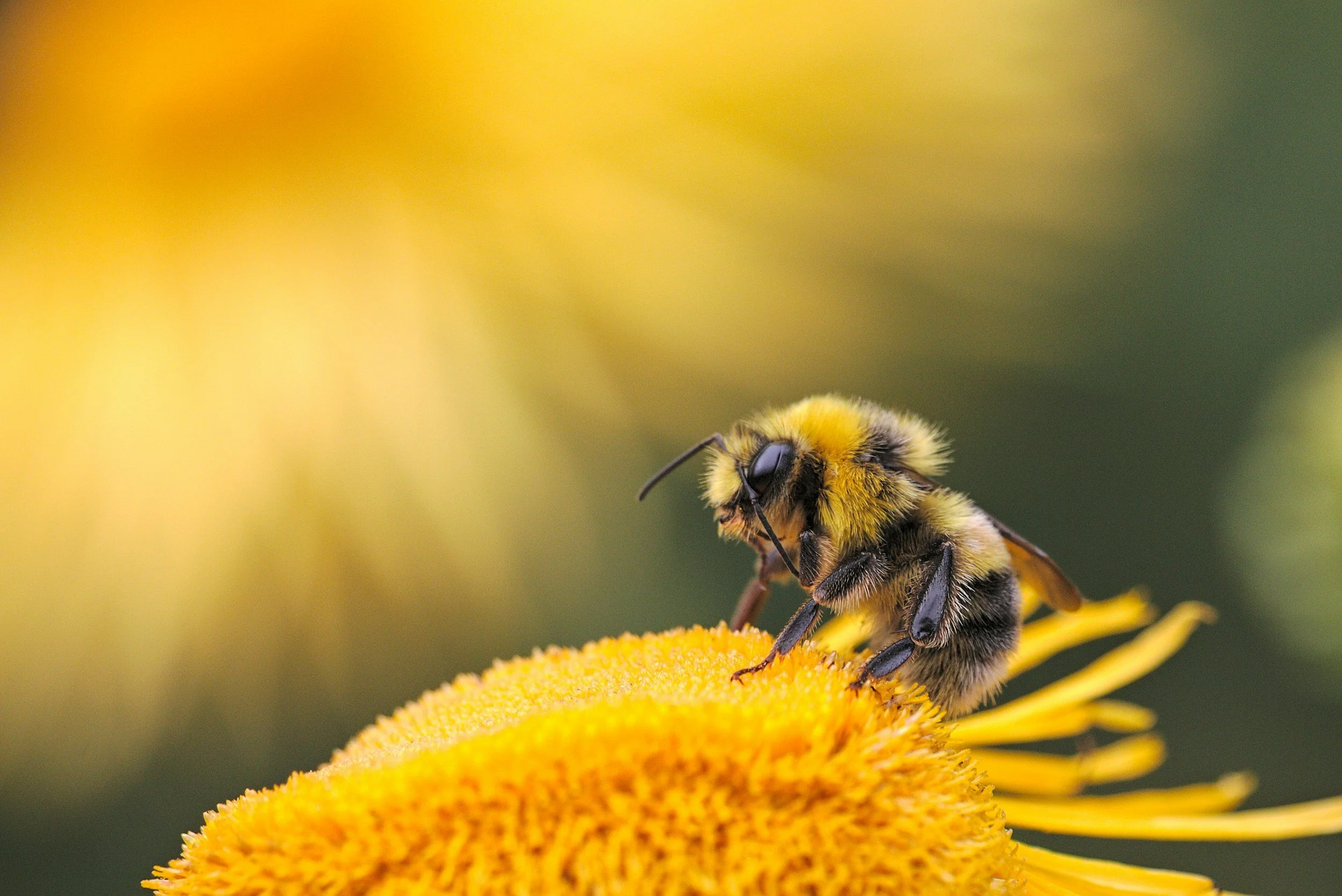
The European honey bee is the most important insect pollinator of cultivated agricultural and horticultural crops worldwidehoney studies and benefits
❋ Cough SuppressionStudies suggest a spoonful of honey can be an effective, natural way to soothe sore throats and reduce night-time coughing, sometimes working better than over-the-counter cough medicines.
Source: National Institutes of Health (https://pubmed.ncbi.nlm.nih.gov/32817011/)
❋ Wound and Burn HealingDue to its natural antibacterial properties and thick consistency, raw honey helps protect against infections and promotes healing when applied to minor cuts and burns.
Source: National Institutes of Health (https://pmc.ncbi.nlm.nih.gov/articles/PMC3188068/)
❋ Antioxidant BoostRaw, unfiltered honey contains polyphenols and flavonoids, which help combat oxidative stress and inflammation in the body.
Source: National Institutes of Health (https://pmc.ncbi.nlm.nih.gov/articles/PMC5822819/)
❋ Gut SupportIt has mild prebiotic properties that can promote healthy gut bacteria, and it is sometimes used as a natural remedy for mild constipation.
Source: National Institutes of Health (https://pmc.ncbi.nlm.nih.gov/articles/PMC9367972/#S4)
Beeswax benefits
-
Locks in moisture: Acts as a natural occlusive agent, trapping hydration to prevent water loss and keeping the skin soft and supple.
Won't clog pores: Despite forming a protective seal, it is non-comedogenic, making it safe for acne-prone and sensitive skin types.
Soothes irritation:
Its anti-inflammatory and emollient properties help calm redness and itching associated with conditions like eczema and psoriasis.
Promotes healing: Possesses natural antibacterial and antiviral properties that protect minor scrapes, burns, and cuts.
Rich in Vitamin A: Contains essential vitamins that support skin cell regeneration and collagen production.
-
Seals in hydration: Keeps hair from drying out by locking moisture into the hair shaft.
Tames frizz: Excellent for controlling flyaways, maintaining dreadlocks, and defining styling in beards.
-
Purifies the air: When burned, beeswax candles produce negative ions that neutralize air pollutants and allergens.
Clean, soot-free burn: Because it is 100% natural, it does not release the toxic chemicals or black soot common in paraffin candles.
Longer burn time: Beeswax has a higher melting point, meaning your candles will burn significantly longer and more slowly.
-
Nourishing: It "feeds" the wood, preventing timber from drying out and cracking.
Safe: High-quality natural beeswax polishes are VOC-free and safe to use on food-contact items like wooden chopping boards and bowls.
Versatile: It can be used on bare wood, sealed wood, and antiques, and can even act as a leather conditioner
1 bee colony can pollinate 300 million flowers each day